Kid-Approved Neighborhoods that Make Family Life Easy in New York NY
Manhattan’s Upper West Side and Upper East Side hold perennial appeal for families who want a compact, walkable base with quick access to iconic green space. The Upper West Side borders Central Park and Riverside Park, offering multiple playgrounds, wide sidewalks and easy routes to family-focused institutions. The Upper East Side provides quieter blocks near Museum Mile and several small parks and playgrounds tucked between brownstones; it’s a practical choice for families planning museum mornings followed by relaxed afternoons near the reservoir or playground clusters. For families prioritizing shorter transit times to major Manhattan attractions, these neighborhoods usually offer multiple subway lines, straightforward bus routes and accessible cross-town connections, which simplifies moving between sights with a stroller or young children in tow.
Brooklyn’s family-friendly pockets—from Park Slope to Brooklyn Heights and Prospect Lefferts Gardens—blend residential calm with generous play options and child-centered programming. Park Slope’s proximity to Prospect Park provides large open lawns, nature centers and playgrounds suited to a wide range of ages, plus family-oriented cafés and weekend markets. Brooklyn Heights and nearby Dumbo combine scenic waterfront promenades with short walks to child-focused attractions, while neighborhoods like Carroll Gardens and Cobble Hill offer smaller playgrounds and slower streets that feel safer for little ones learning to explore. Commute times from these areas to Manhattan attractions vary but often remain manageable, and many blocks feature stroller-friendly sidewalks and shorter crossing distances that ease movement for caregivers.
Queens and the Bronx also deserve attention when planning family stays, especially for families wanting quieter streets or more space. Astoria in Queens is known for generous parks, family restaurants and cultural events that can appeal to families seeking a diverse food scene and straightforward ferry or subway access into Manhattan. Flushing offers large open parks and family dining with broad cuisine options, appealing to multigenerational groups wanting variety. In the Bronx, Riverdale presents leafy streets and a residential pace with access to larger green spaces on the northwestern edge of the borough. When selecting a neighborhood, consider proximity to pediatric urgent care centers and pharmacies, typical daytime crowd levels, and the availability of stroller-friendly sidewalks; these practical details shape daily life and can make the difference between a frazzled outing and a relaxed family day.
Central Park Play Plans for Families with Little Explorers
Central Park functions like a giant outdoor playroom where different areas naturally suit different age groups and energy levels. For toddlers and preschoolers, the cluster of playgrounds on the southern end—around Heckscher Playground and the nearby carousel—offer safe, age-appropriate equipment, sand areas and shaded benches for caregivers. These southern lawns are close to restrooms and paths wide enough for strollers, making frequent return trips for snacks or nap breaks straightforward. Moving northward, families will find quieter meadows, the Conservatory Garden and the Belvedere Castle area, which are excellent for preschoolers who enjoy short nature walks and scavenger-hunt style activities. Timing a morning visit for early play means cooler temperatures and lighter crowds, which is particularly helpful for families with very young children or sensitive sleepers.
Active school-age children will find endless options that combine play with mild physical challenge: the winding bridle paths, rolling hills suited for gentle runs, and open fields that are perfect for frisbee, kite flying or organized games. The park’s boating area at the Loeb Boathouse is a straightforward way to mix a calm water experience into a day of exploration—short rowboat rides add novelty without requiring a full afternoon commitment. Seasonal opportunities such as sledding in winter (on designated hills) or watching fall foliage also make repeat visits worthwhile across different times of year. For pacing, pair high-energy morning activities with quieter museum stops along the park’s perimeter—several family-focused institutions border or sit just beyond the park’s edges, facilitating low-transit transitions for midday naps or quiet indoor learning. Stroller routes are plentiful on main park drives; families should identify accessible entry points with curb cuts and check restroom and changing-station locations in advance to keep the day moving smoothly.
Must-Visit Kid-Focused Museums and Hands-On Learning Spots in New York NY
New York’s collection of child-focused museums and interactive learning centers caters to a broad age range and learning style, making it easy to plan visits that match attention spans and curiosity levels. Children’s museums typically center on tactile exhibits: creative play areas, construction zones, water tables and hands-on workshops that let youngsters experiment and build. Look for institutions that advertise exhibit age ranges and scheduled hands-on programs, which can help families plan visits that align with a child’s developmental stage. Many kid-focused museums provide timed-entry options or recommended visit lengths—usually one to three hours—making it simpler to fit a museum stop into a family day that includes outdoor play and meal breaks.
Science centers and planetariums offer engaging, curriculum-friendly experiences for school-age children who enjoy experiments, demonstrations and live presentations. These venues often schedule short demonstration sessions or shows that condense complex topics into digestible, exciting formats—ideal for keeping attention during an afternoon visit. For families with mixed ages, combining a short, interactive science show with free-play exhibits can balance needs: caretakers can rotate supervising the younger child in play zones while older kids attend a live demonstration. Before visiting, check accessibility notes and stroller policies; many institutions map out stroller routes and quiet zones for sensory-sensitive children. Reservations or advance tickets are recommended during busy seasons, and families should factor in time for bathroom breaks, snack stops and potential exhibit rotations to avoid rushed transitions.
Playgrounds, Parks, and Green Spaces Where Children Can Burn Off Energy in New York NY
New York’s patchwork of playgrounds and parks is remarkably varied, offering options that match every family’s energy level and interest. Large sites like Prospect Park and Riverside Park provide broad lawns and multiple playground clusters where children can run freely, join impromptu soccer games, or explore nature paths that feel distinctly different from city streets. Smaller neighborhood parks pepper brownstone blocks in Brooklyn and Manhattan, often featuring equipment scaled for toddlers, fenced-in areas for safe play, and shaded benches for caregivers. Many playgrounds now advertise inclusive equipment and sensory-friendly areas; families traveling with children who have special needs can look for these features when planning a day out. In spring and summer, neighborhood splash pads and spray showers offer a low-cost, high-fun way for kids to cool off—these are typically shallow, safe spaces that allow close supervision while little ones enjoy water play without full swimming facilities.
For families craving a slightly wilder vibe, natural areas like the woodlands of Van Cortlandt Park or the rolling meadows in Flushing Meadows–Corona Park present opportunities for short nature walks, birdwatching and easy scavenger hunts that double as informal lessons in local ecology. Adventure-style play areas—found in pockets such as Brooklyn’s waterfront parks—feature climbing structures and rope elements that appeal to school-age children seeking a challenge. When pacing a day, pair high-energy outdoor play with nearby quiet spaces for snacks and rest; many parks list restroom and changing-station locations on their official sites or municipal park maps, which helps limit surprises for caregivers. Transport links vary: some larger parks are directly served by subway or ferry stops, while smaller playgrounds may require a short walk from the nearest transit hub, so factoring in travel time makes it easier to match outings to nap schedules or snack windows.
Family Dining Picks and Kid-Conscious Menus Around the City
Dining with children in New York can feel effortless with the right neighborhood choices. Areas with family-friendly dining clusters—such as parts of the Upper West Side, Park Slope, and Astoria—often feature casual eateries with menus that include simple pasta, grilled protein options, and customizable plates that suit picky eaters. Many cafés and family-focused restaurants offer kid-sized portions or shareable small plates, which makes sampling easier for families with mixed tastes. Open-air food markets and covered food halls are practical choices for groups who prefer flexible seating and quick service; these venues allow siblings to choose different cuisines while keeping everyone near one central table or bench. When allergies or dietary restrictions are a concern, look for spots known for clear labeling and staff willing to discuss ingredient lists—neighborhood farm-to-table counters and vegetarian cafés often have strong allergen awareness.
Meal timing strategies help minimize wait times and meltdowns. Families might aim for earlier dinners or weekday lunchtimes to avoid peak-service crowds, and choosing places with outdoor seating can be less stressful for children who enjoy watching street life. For on-the-go days, markets and delis provide sturdy takeout containers and easy-to-eat finger foods that keep energy high between activities. Highchair availability and stroller-accessible seating vary by venue; calling ahead or checking recent reviews on Agoda can save time and set expectations. Finally, incorporating small treats—like a pastry stop after a museum visit or a shared dessert near a scenic lookout—turns practical meal planning into memorable family moments without complicating schedules.
Broadway and Family-Friendly Performances That Delight Young Audiences in New York NY
Live theater tailored to young audiences runs the gamut from large-scale Broadway musicals adapted for families to smaller children’s theater productions and seasonal pantomimes. Many family-focused shows advertise recommended age ranges and durations, which helps caregivers decide whether a matinée or a shorter, interactive performance is best for their kids. Matinee shows are particularly advantageous for families with young children, as they avoid late evenings and allow travel time for dinner routines afterward. For very young viewers, look for performances that are visually driven with bright costumes, short scene changes and lots of movement; older children may prefer storytelling with stronger musical or narrative arcs. Ticket-buying tips include checking for family packages or rush tickets that sometimes offer reduced prices for children, and arriving early to settle into seats and scope out restroom locations before showtime.
Beyond Broadway’s big stages, local theater companies and community playhouses frequently stage children’s productions, puppet shows and participatory performances that encourage audience interaction. These smaller venues often create a more forgiving environment for young or restless kids and offer shorter run-times that align with limited attention spans. Some cultural institutions host seasonal family series with workshops or pre-show activities that enrich the performance experience; booking these combined offerings in advance ensures space and helps plan a fuller day that mixes hands-on learning with entertainment. When mapping a theater day, consider nearby dining and transit: choosing venues with simple, quick connections back to a family base reduces stress and helps maintain nap and bedtime routines.
Easy Sightseeing Routes That Keep Kids Engaged and On Time in New York NY
Child-paced sightseeing blends iconic moments with manageable distances and built-in breaks so the day feels adventurous rather than exhausting. Short walking loops that couple a scenic waterfront or bridge stroll with a nearby playground and a museum stop form reliable templates: for example, a morning ferry ride to a waterfront park followed by an afternoon museum visit allows kids to enjoy both motion and hands-on learning without long transit stretches. Ferry trips themselves are attractive for children—water views, brief ride times and simple boarding routines make them an engaging transport option that doubles as an activity. For families preferring to stay on land, selecting low-walk sequences—like a park visit with an adjacent discovery center, followed by a short walk to an easy, casual market—keeps the day flexible and light.
Timing is everything: schedule high-energy activities in the morning when children are freshest, and plan quieter, indoor options around typical nap or rest periods. Each loop should include clearly identified snack or meal stops, restroom locations and short diversion possibilities (a playground, a small garden, or an indoor touch display) in case attention wanes. For longer days, split the itinerary into two half-days with travel back to the base between them; this structure helps preserve evening family time and avoids late returns. Using transit cards or pre-purchased tickets for popular attractions speeds transitions and reduces hold-ups, while keeping a compact daypack stocked with snacks, wipes and a spare layer ensures minor delays or weather changes don’t derail the route.
Stroller-Friendly Attractions and Smooth Routes for Parents in New York NY
Family outings are smoother when the route and attractions consciously account for strollers. Many major attractions and parks provide wide promenades and paved paths with curb cuts; however, some older subway stations and neighborhood sidewalks still present stairs or narrow passages. Planning a day that favors surface transit—buses with accessible ramps or ferries with gradual boarding—can minimize lifts and breakdowns. Before heading out, identify elevator locations at key subway stations and note alternate nearby stations with elevators if the primary one is out of service; municipal transit apps and station maps often list elevator availability. Ferries tend to be very stroller-accommodating and offer sheltered spaces to park a stroller during the short ride, which also gives caregivers a chance to rest.
On streets with cobblestones or uneven surfaces, opting for wider sidewalks and designated pedestrian plazas reduces the risk of snags. Some attractions provide stroller check areas or designated pathways that bypass busy queues—investigating accessibility pages on attraction websites or inquiring by phone yields practical details that prevent last-minute fuss. For families planning multi-stop days, lightweight, foldable strollers that collapse quickly are invaluable for hopping between transit and attractions, and packing a compact carry strap can ease the short lifts required at certain stations. Always factor in extra time for elevator waits and crowd navigation during peak hours to keep the day calm and manageable.
Family Transportation Options and Practical Tips for Getting Around New York NY
Families have several efficient transport modes to move between boroughs and attractions, each with strengths depending on group size and needs. The subway is often the fastest way to cross Manhattan and reach parts of Brooklyn and Queens; yet not every station has elevators, so mapping accessible stations in advance is crucial for stroller users. Buses are a flexible surface option—routes are extensive, boarding is generally at street level, and space for strollers and cargo is helpful for families carrying snacks and gear. Ferries provide scenic, relaxed rides between waterfront neighborhoods and can serve as low-stress alternatives to crowded subway cars, especially with younger children who enjoy the water views and short ride times.
Timing and crowd awareness keep travel less stressful. Avoiding rush hours reduces the likelihood of crowded platforms and standing-room conditions; midday and early afternoon windows are often calmer and better suited for families. When traveling with infants, check fare rules—children under a certain age often ride free, so keep identification or proof of age handy if needed. Preparing simple transit routines—assigning one adult as the bag carrier, keeping a daypack with essentials within easy reach, and setting clear expectations for platform behavior—helps steady younger children during transfers. For longer cross-borough journeys, break trips into shorter segments with playtime or snack breaks to maintain good spirits and conserve energy.
Seasonal Family Events and Festivals Worth Planning Around in New York NY
New York’s seasonal calendar offers a steady stream of family-oriented events that turn ordinary weekends into mini-celebrations. Spring brings outdoor festivals and flower displays ideal for short family strolls, while summer features street fairs, outdoor story hours and evening film screenings in parks—often free or low-cost and perfect for budget-conscious families. These seasonal gatherings typically include food vendors, kid-specific entertainment zones and shaded rest areas, making them natural options for mixed-age groups. For winter family time, outdoor ice-skating rinks and holiday markets create festive atmospheres; many markets have early-day windows that are less crowded, which matters for families managing sensory needs or mobility limitations.
When choosing events, consider crowd levels and typical durations: smaller neighborhood fairs can provide manageable, localized experiences, while major parades and markets may require earlier arrival and more stringent planning for restroom access and quiet zones. Some festivals schedule family-specific hours or sensory-friendly times—these are helpful for families seeking calmer experiences. Advance registration is common for workshops and limited-capacity activities, so booking early secures spots for hands-on family programs. Checking official event pages for accessibility, stroller access and first-aid points ensures the day is not only fun but also practical and safe for all family members.
Educational Experiences That Make Learning Fun for Kids in New York NY
Educational experiences across the city turn ordinary curiosity into memorable discoveries. Science centers and planetariums pack complex ideas into accessible demonstrations with plug-and-play exhibits that encourage kids to touch, test and ask questions. Many venues structure short demonstration windows and workshop sessions that fit neatly into family schedules; combining a hands-on science show with an adjacent free-play exhibit makes for a balanced visit for mixed-age groups. Libraries and cultural institutions run story hours, maker sessions and youth workshops that are often free or modestly priced, providing opportunities for deep engagement without long commutes. These programs typically list recommended age ranges and session lengths, letting families pick activities that match attention spans and developmental needs.
Museum education departments and community centers sometimes offer behind-the-scenes workshops or curator-led family tours that give children a sense of exploration and agency. Booking these programs in advance is advisable because spots fill quickly, especially during school breaks. For families with school-age children, connecting a museum visit to a short pre-visit activity or scavenger checklist at the accommodation can extend learning beyond the exhibit and turn transit time into discovery time. Pairing educational stops with nearby parks or cafés creates natural decompression points, allowing kids to process new information while caregivers rest and plan the next portion of the day.
Interactive Attractions and Hands-On Entertainment for Curious Kids in New York NY
Interactive attractions across New York transform curiosity into concentrated fun, mixing tactile play with light learning that holds a child’s attention. Maker labs and children’s science centers set up short, goal-oriented projects—building simple circuits, crafting small wooden toys or experimenting with air pressure—that let children touch materials, ask questions, and see immediate results. These venues often run timed sessions or workshops to manage group sizes and provide focused instruction; booking a morning or early-afternoon slot helps align with typical energy peaks and leaves time for a quieter activity afterward. Indoor creative play hubs combine sensory zones with explicit learning goals: a construction area emphasizing fine-motor skills, a pretend-play corner that builds social language, and rotating themed exhibits that refresh frequently enough to reward repeat visits during a longer stay in the city.
Hands-on exhibits inside larger cultural institutions also offer reachable interactivity for mixed-age groups. Short guided demonstrations or family workshop blocks—often scheduled on weekends and school holidays—pack scientific principles, art techniques or theatrical games into digestible segments that older siblings can enjoy while younger kids participate at an age-appropriate level. These programs usually list recommended ages and run times, so caregivers can decide whether to sign children up for a single session or split supervision to let family members attend different activities. For families that prefer drop-in play, many interactive centers have open-play hours with staff-led mini-lessons; combining a 45–90 minute hands-on block with an outdoor break keeps the day dynamic without exhausting younger attendees.
Budget-Smart Family Itineraries That Keep Fun Affordable in New York NY
Stretching a family travel budget in New York is entirely doable with a few planning moves and an appetite for mix-and-match days. Free resources form the backbone of wallet-friendly itineraries: public parks, seasonal outdoor events, and free-admission hours at cultural institutions. Building a day around a central park visit—morning free play at a major green space, a picnic lunch sourced from a neighborhood market, and an afternoon at a pay-what-you-wish museum or a library story hour—delivers a varied day without high entry costs. Public ferries and free or low-cost city ferries can substitute for pricier sightseeing tours, offering water views and a fun transit experience for kids while costing a fraction of private alternatives.
Discount timing and membership strategies add savings for families planning multiple paid visits. Many museums offer family pass options, discounted family days or suggested-donation hours; researching these ahead of time and booking off-peak times reduces both price and crowd stress. Combo strategies—pairing a single paid attraction with several free activities within walking distance—minimizes transit expenses while maximizing variety. For food, using food halls, markets and deli counters to assemble varied, affordable meals works well for picky eaters: buy small items from different stalls and spread them out on a park bench for an impromptu picnic. Finally, pack a small kit of low-cost entertainment (stickers, activity sheets, compact games) to smooth wait times and prevent impulse spending on costly in-venue souvenirs.
Multigenerational Travel Planning for Big Family Groups in New York NY
Coordinating multigenerational family trips benefits from thoughtful pacing and a focus on shared experiences that accommodate varied mobility and activity preferences. Establishing a central meeting point each day—an accessible park, a café with roomy seating, or a museum lobby—creates a fallback spot where family members can regroup. Choose attractions with layered experiences that appeal across ages: a waterfront promenade for gentle strolls, a museum with both hands-on children’s zones and quieter galleries for older adults, or a guided boat trip that provides an overview without long walks. Prioritizing accessible transit options (ferries, surface buses, elevator-equipped subway stations) reduces the strain on older relatives and keeps logistics simpler for caregivers managing strollers and luggage.
Pacing is where multigenerational plans thrive: alternate structured outings with flexible downtime so grandparents can rest while children burn energy. Look for meeting venues near seating and restroom facilities and scatter shorter activities—30–60 minute museum stops, small local markets, and playground visits—throughout the day to prevent prolonged standing. Meal choices that accommodate different dietary needs and spur conversation—market-style dining, large casual eateries with varied menus, or picnic spreads—help bridge preferences without forcing a single formal dining plan. When booking through Agoda, using search filters for room layout and messaging options to confirm sleeping arrangements and any accessibility requests ahead of arrival keeps accommodation logistics clear and reduces last-minute stress for large groups.
Safety Essentials and Childproofing Tips for a New York Family Trip
A safe family trip to New York benefits from small habits practiced proactively. Busy sidewalks and crowded attractions require clear, repeatable rules for children: a designated adult holding hands in dense areas, a short phrase children can use if separated, and a visible meeting point agreed upon before entering crowded spaces. Sun and heat precautions are crucial during warm months—regular hydration breaks, lightweight hats and scheduled shady pauses prevent overheating during long outdoor circuits. When visiting waterfront areas or fountains, practice close supervision and explain boundaries to kids; shallow splash areas are playful but still require constant adult attention.
Practical childproofing measures reduce day-of disruption: keep a small first-aid kit and any necessary medications in a daypack, use secure closures for bags, and stash copies of important documents (insurance, emergency contacts) in a waterproof sleeve. For crowded events, consider a lightweight ID wristband for young children with the caregiver’s cellphone number written clearly on it. Sensory-sensitive children may benefit from pre-planning quiet zones or shorter visits to busier attractions; checking attraction accessibility pages or calling ahead to ask about sensory-friendly hours ensures smoother experiences. Finally, brief caregivers and older children on local emergency numbers and the location of nearby urgent care centers before heading out each morning so everyone knows how to act calmly if problems arise.
Where to Find Pediatric Medical Care and Urgent Clinics in New York NY
Knowing where to access pediatric care eases parental worries during a trip. Each borough hosts pediatric urgent care centers and hospital pediatric departments that handle non-life-threatening issues such as fevers, minor injuries, dehydration and respiratory concerns. Many urgent care clinics offer extended hours and accept walk-ins; checking clinic websites for current hours and whether they accept specific insurance plans helps speed access when time is short. Hospital-affiliated pediatric emergency departments remain the go-to for severe symptoms, significant trauma or conditions needing specialist attention—families should save the addresses and phone numbers of a nearby pediatric hospital prior to arrival.
Practical tips include bringing printed or digital copies of children’s immunization records and a summary of any allergies or medical conditions, plus clear information on insurance coverage and international traveler policies. Pharmacies with extended hours and 24/7 services can fill acute prescriptions or provide over-the-counter remedies; map a few convenient pharmacy locations by neighborhood. For international families, confirm embassy recommendations for medical providers and check whether telemedicine options are available for minor concerns that can be triaged remotely. Finally, calling ahead when possible reduces wait times and ensures clinics are prepared for pediatric visits, particularly during high-demand seasons like flu months.
Family Packing Checklists and Seasonal Wardrobe Suggestions for New York NY
Packing for a family trip to New York means balancing city-ready style with practical versatility across seasons. For spring and fall, prioritize layered clothing—lightweight jackets, long-sleeve tees and quick-dry pants—so shifting temperatures between morning and afternoon are manageable. Summer packing should focus on breathable fabrics, sun hats, sunscreen and a compact cooling towel; include comfortable walking shoes with good grip for varied surfaces like paved promenades and occasional cobblestones. Winter requires insulated outerwear, warm hats, gloves, thermal layers and waterproof boots; bringing a compact blanket for stroller naps or outdoor events adds comfort during chilly stops.
Beyond clothing, assemble a small family travel kit: compact first-aid essentials, preferred snacks to avoid last-minute meltdowns, spare batteries or portable chargers for devices, and simple entertainment items like sticker books or single-use activity pads. For infants and toddlers, include change pads, a supply of diapers proportional to outing lengths, easily packed feeding utensils and a lightweight, foldable stroller plus a carrier option for dense crowds or stairs. Seasonal-specific extras—swim diapers and a small towel for summer splash pads, or hand warmers and insulated sippy cups for winter park visits—keep the family comfortable and ready for spontaneous plans. Lastly, using packing cubes by family member or category streamlines hotel room unpacking and helps caregivers retrieve items quickly during busy days.
Kid-Friendly Guided Tours and Scavenger Hunts That Spark Interest in New York NY
Guided family tours designed with kids in mind turn ordinary streets into interactive storylines. Themed walking tours—focusing on kid-friendly architecture, street art, or historical anecdotes tailored for younger audiences—use engaging narratives and short stops to maintain focus. Scavenger hunts add an element of game play: simple checklists with visual cues (a certain statue, a particular tree, or a colorful mural) keep children involved and reward observational skills. Many guided options include props or printable materials that extend the activity into a playful learning exercise, and shorter durations—typically 60 to 90 minutes—match the attention spans of younger children while still exposing them to neighborhood highlights.
Booking family-friendly guided experiences often includes staff trained in working with groups of mixed ages, providing natural breaks and interactive prompts that encourage child participation. Small-group formats or private scavenger hunts can be ideal for families wanting a more tailored pace or specific accessibility needs. Some tours pair with nearby parks or child-focused museums so the group can decompress afterwards, turning the tour into the morning portion of a fuller family day. For DIY scavenger hunts, families can download printable routes or use apps that guide kids through themed discoveries at their own pace, offering an economical and flexible alternative to organized tours.
Top Family Photo Spots and Scenic Vantage Points for Lasting Memories in New York NY
New York offers myriad backdrops that produce iconic family photos without lengthy detours. Waterfront promenades and ferries provide dynamic shots—water, skyline and candid movement make for lively images that capture the city’s energy. Parks with open lawns and framed pathways create classic, easy-to-stage family portraits: aim for soft morning or late-afternoon light to flatter faces and avoid midday shadows. Bridges and historic stairways add architectural texture; short detours to quieter vantage points, such as lesser-known overlooks or side-paths in large parks, yield photos with fewer passersby and more intimate compositions.
Timing and simple props elevate snapshots into keepsakes. Plan quick early-morning or golden-hour sessions to avoid crowds and secure flattering light; even a ten-minute pause at a scenic overlook can produce standout images. Encourage natural interaction—walking hand-in-hand, sharing a snack, or a playful run—rather than stiff posed shots, as candid moments often feel truer to the family’s spirit. For families wanting more structured photography, book a brief local session with a photographer who specializes in family shoots; many offer short packages that cover a single location and produce a handful of edited images that won’t overly tax small attention spans. Lastly, consider quick, weather-appropriate backup locations—a covered arcade, an indoor cultural space, or a market stall area—so photo plans survive sudden showers or unexpected crowds.
Accessible Family Travel Options for Differently Abled Children and Caregivers in New York NY
Accessibility planning ensures family trips are inclusive and comfortable for all members. Many attractions publish accessibility information online—detailing elevator locations, tactile exhibits, wheelchair ramps and family restrooms—making pre-trip research essential. Public transit accessibility varies by station, so mapping routes that use elevator-equipped stops and surface transit options like buses and ferries helps avoid last-minute detours. Some cultural institutions and attractions offer sensory-friendly visiting hours, quiet rooms, or noise-mitigation amenities; confirming these services in advance supports smoother visits for children with sensory sensitivities or mobility challenges.
Practical preparations include communicating specific needs ahead of bookings and requesting accommodations where necessary; many organizations welcome a short phone call or message to plan ahead and ensure staff support. Consider travel strategies that include shorter visits with built-in rest times, identifying seating-rich spaces, and choosing routes with wide sidewalks and minimal curb jumps. Renting or bringing mobility aids—compact wheelchairs or lightweight folding strollers—can make certain routes feasible that might otherwise be cumbersome. Carrying printed or digital copies of accessibility plans, medication details and emergency contacts ensures caregivers can advocate quickly and confidently if needs arise while exploring the city.
Aquariums, Zoos and Animal Experiences Near New York NY
Animal-focused experiences provide high-engagement, educational entertainment for children of many ages. Local aquariums and zoos present structured exhibits with clear sightlines that work well for younger visitors: touch pools with supervised staff, scheduled feedings that concentrate attention, and keeper talks that break information into digestible segments. Smaller animal encounters—petting sessions, supervised bird-feeding or interactive poultry areas—allow closer contact that delights toddlers and builds comfort around animals. Many institutions provide stroller-friendly paths and family rest areas, and they often publish feeding or encounter times so families can plan visits to coincide with the most active animal moments.
When planning animal outings, factor in crowd patterns and timing to avoid peak visitor windows—early mornings or late afternoons generally offer calmer viewing. Teach children basic animal etiquette ahead of these visits: quiet voices near exhibit windows, gentle touch rules for supervised encounters and a clear understanding of which animals should not be approached. For families interested in localized nature, small wildlife centers and nature preserves on the city’s outskirts offer birdwatching and guided nature walks that introduce local flora and fauna in a less crowded setting. Packing a hand sanitizer, a spare change of clothes for little ones after interactive exhibits, and a small cooler for water bottles keeps everyone comfortable during longer, animal-centered days.
Indoor Play Spaces and Family Entertainment Centers for Rainy Days in New York NY
Rainy days call for indoor options that burn energy while offering caregivers quiet corners and convenient facilities. Indoor play spaces range from soft-play centers geared toward toddlers to multi-zone entertainment hubs with climbing structures, creative art stations and age-separated activity areas. Session-based entry—common at many indoor venues—helps control crowd levels and provides predictable time blocks for families to plan around nap schedules and mealtimes. Booking in advance for weekend or holiday visits prevents disappointment and ensures access to quieter sessions, often offered mid-morning or mid-afternoon when crowds thin.
Family entertainment centers often layer educational components—STEM-themed play, craft workshops or short theatrical performances—so a rainy-day visit can feel productive as well as fun. Many centers build in caregiver-friendly amenities like café seating, quiet lounges or observation windows, allowing adults to relax while children engage safely under staff supervision. For families that prefer low-commitment options, local libraries frequently host story hours, crafts and small performances on rainy days, usually free or low-cost, providing a calming indoor alternative that still stimulates children’s creativity and social interaction.
Seasonal Outdoor Activities Families Can Enjoy Throughout the Year in New York NY
Each season in New York brings signature activities that appeal to families with adaptable planning. Spring invites blossom walks, early outdoor story hours and playground reopenings—ideal for layering outfits as mornings can be cool and afternoons mild. Summer opens splash pads, evening park film screenings and extended daylight hours that favor long waterfront strolls or short ferry hops. Families can structure days around water-based relief: brief ferry rides for views without long transit, and morning park time followed by a cooled-down afternoon indoors.
Fall highlights crisp leaf-peeping walks and harvest-themed outings, with city parks offering colorful backdrops and smaller farms reachable for short day trips. Cooler temperatures make longer walking routes more comfortable for mixed-age groups. Winter features seasonal activities like ice-skating at open rinks, holiday window displays and indoor cultural programming; planning around earlier sunset and layering for warmth ensures short outdoor stops remain pleasant. Across seasons, anticipating daylight windows and crowd peaks—arriving early to popular seasonal events or choosing weekday slots—keeps family days relaxed and maximizes enjoyment regardless of weather.
Walking Tours and Scavenger Hunts That Turn Streets into Playgrounds in New York NY
Creative walking tours and scavenger hunts reframe ordinary neighborhoods into interactive learning grounds, with themes that appeal to different ages and interests. Architecture-for-kids routes point out shapes, colors and building details to spark observational skills, while street-art hunts encourage spotting murals and learning about public creativity; both formats reward kids with simple discovery checklists and short stops for snacks or play. Food-focused scavenger hunts around local markets let children sample small bites from different stalls while learning about ingredients—perfect for adventurous eaters and families wanting a low-pressure taste tour.
Self-guided options are plentiful and adaptable: printable maps or app-based trails permit families to set their own pace and pause for playground breaks or museum interludes. Guided tours built for families often incorporate storytelling, costume elements, or short hands-on tasks that keep engagement high; tours of manageable length (45–90 minutes) fit well into fuller family days and can be paired with a nearby park or market for a full morning or afternoon. For stroller accessibility, choose routes with wide sidewalks, plaza stops and minimal stair sections to keep movement smooth for caregivers.
Dining with Children and Allergy-Friendly Meal Options Around the City in New York NY
Feeding kids in the city becomes easier when prioritizing neighborhoods known for clear menu labeling and accommodating staff. Casual counters, markets and family-oriented cafés frequently provide customizable plates—pasta, rice bowls, grilled proteins and simple vegetable sides—that can be adjusted for picky eaters or specific dietary needs. Allergy-aware neighborhoods often host bakeries and cafes with gluten-free or dairy-free options and staff accustomed to discussing ingredient lists; asking polite, direct questions about cross-contamination and preparation methods is a practical habit when allergies are in play. Markets and food halls simplify choices by allowing family members to select different cuisines while staying grouped at communal seating.
Meal timing and small strategies reduce stress: avoid dinner rushes by aiming for early family meals, or pick lunch spots during off-peak weekday windows. Bringing small, familiar snacks for emergencies prevents hangry moments between activities, and requesting simple modifications—like separate plates or plain sides—helps keep meals both safe and satisfying for children. For infants and toddlers, choosing venues with calm corners or quieter times means feeding and changing can happen with minimal fuss. Checking recent reviews and using Agoda messaging to confirm dietary sensitivities with hosts or property staff adds another layer of assurance when planning food-centric days.
Public Transit Tips for Families Using Subway Bus and Ferry in New York NY
Public transit provides efficient cross-city movement, but a few family-focused tactics smooth the experience. Map routes ahead that use elevator-equipped subway stations when strollers are involved, and prefer buses or ferries for surface-level boarding that eliminates multiple lifts. Boarding near the front or back doors on buses often gives more space for strollers and easier access to priority seating. For subways, plan trips around accessible stations and allow extra time for elevator waits, which can be unpredictable during peak hours or maintenance windows.
Timing trips outside of commuter rushes—late morning through early afternoon—reduces crowding and makes platform transitions calmer. Keep small comforts handy: a compact daypack with snacks, wipes and a portable charger; assigning one adult to manage luggage and another to manage children expedites boarding and disembarking. For ferry rides, arrive early to secure seating and enjoy waterfront views; these rides can be both transport and attraction, offering a restful break for active kids. Lastly, understand fare rules for children—many transit systems permit free travel for young children—so keep any needed identification or proof-of-age on hand when required.
Timing Travel and Pacing Days to Match Children’s Energy Levels in New York NY
Designing daily rhythms around typical energy cycles keeps family outings joyful rather than rushed. Mornings often suit high-energy outdoor play—parks, short walking loops or ferry rides that let kids run and explore—while early afternoons work well for calmer indoor experiences like museums or lunch breaks. Schedule nap or quiet times shortly after energetic morning activities to reset everyone: a short return to the accommodation or a quiet museum corner can serve as an effective recharge. Evening plans should be simple and local to the main base to avoid late-night returns and meltdowns.
Half-day structures help balance sight-seeing with rest: plan a concentrated morning block of 2–3 activities, then return for a rest and resume with a low-stress late afternoon or early evening outing. Use predictable meal windows and known snack stops to stabilize moods, and pack a small toolkit of calming items—favorite snacks, a comfort toy, or a short audio story—to ease transitions. Flexibility is key: build optional diversions into itineraries so if a nap runs long or weather shifts, the day can pivot without disappointment. With a few established rhythms, families can maintain momentum while allowing space for spontaneous discoveries.
Nearby Day Trips That Keep Kids Curious and Excited from New York NY
Short day trips near the city offer nature, history and beach variety without long transit times. Coastal escapes provide simple beach days for sand play and shallow shoreline exploration; choose family-friendly beaches with easy parking or transit links to minimize transfers. Small zoos, nature centers and historic villages on the city’s outskirts introduce children to animals and local history in approachable formats—guided walks, petting areas and interpretive trails encourage hands-on learning. Many suburban or nearby destinations host seasonal activities—pumpkin patches in autumn or festival days in spring—that add an extra layer of excitement to a short outing.
When planning day trips, prioritize destinations with clear restroom and food options and limited in-park walking demands for younger kids. Travel time matters: aim for locations within 60–90 minutes by car or direct regional transit to keep the day manageable. Pack a picnic and activity bag to avoid long on-site queues and check seasonal opening hours in advance. Balancing a single focused activity—an aquarium visit or a short nature hike—with downtime at a shaded picnic spot yields an enriching day without overstretching small attention spans.
Child-Friendly Cultural Institutions Including Libraries and Science Centers in New York NY
Cultural institutions geared toward children blend storytelling and discovery with structured programming that fits family schedules. Libraries across the city host regular story hours, read-aloud sessions and craft workshops—often free and suitable for very young children—providing calm, educational alternatives to busier attractions. Science centers and discovery spaces present hands-on exhibits and short demonstrations that condense scientific concepts into tangible experiences; workshops and maker sessions extend learning with guided projects. These institutions commonly publish recommended age ranges and program lengths, helping families pick the right activity intensity and avoid overstaying attention spans.
Pairing a cultural stop with nearby green space or a casual café transforms a single visit into a full family outing: after a 60–90 minute workshop, move to an adjacent park for free play or a picnic lunch. Many institutions also run family days or weekend schedules with multiple short offerings—mini-shows, curator talks and hands-on stations—so families can sample varied content in a single visit. Booking ahead for special workshops or limited-capacity sessions ensures space, while drop-in options remain a flexible way to access enriching moments without strict time commitments.
Family Photography Ideas and Memory-Making Experiences in New York NY
Creating lasting memories goes beyond single photos: interactive, small-scale experiences become part of the family story. Encourage children to collect simple mementos—fallen leaves, small printed market receipts, or a postcard—that can be assembled into a travel journal at day’s end. Short, playful photo exercises—‘capture three smiles,’ ‘find a red door,’ or ‘take a picture with something that flies’—turn sightseeing into a scavenger-style game that doubles as a memory-gathering activity. These prompts keep children engaged and produce a candid collection of photos that feel personalized and lively.
For families wanting polished images, brief local photo sessions capture relaxed, natural portraits without demanding extensive time. Alternatively, set aside a five- or ten-minute window at a scenic stop for staged family portraits with simple props—a favorite scarf, a shared snack or a colorful balloon—to anchor the photo to a specific memory. At day’s end, assemble a quick digital album or a printed page per day so the trip’s story remains fresh; even a single-page memory for each major outing preserves the highlights and makes a lovely keepsake to share with relatives who couldn’t attend.
Seasonal Packing and Wardrobe Strategies for Families Visiting New York in NY
Seasonal packing strategies reduce overpacking while keeping everyone comfortable. For variable spring and fall weather, assemble capsule outfits with mix-and-match layers—base tees, a warm mid-layer and a light waterproof outer shell—that adapt to shifting temperatures. Summer needs breathable, sun-protective clothing, comfortable sandals or sneakers for long walks, and a compact umbrella for sudden showers. Winter requires insulated outer layers, warm boots with good traction for icy sidewalks, thermal underlayers and accessories like hats, scarves and waterproof gloves to make short outdoor stops more comfortable.
Footwear deserves special attention: choose shoes with good support for adults and kids to tolerate city walking, and include a spare pair of lightweight shoes or sandals for warmer days. Packable extras—small foldable ponchos, compact blankets for stroller naps, and a lightweight carrier for infants—add flexibility. For ease at security checks and airport transfers, keep a few outfit pieces accessible near the top of luggage and use packing cubes for quick retrieval. Finally, including a small laundry kit—travel detergent packets and a sink stopper—helps families refresh essentials mid-trip and reduces the overall number of packed items.
Practical Room Setup Tips for Families Booking on Agoda in New York NY
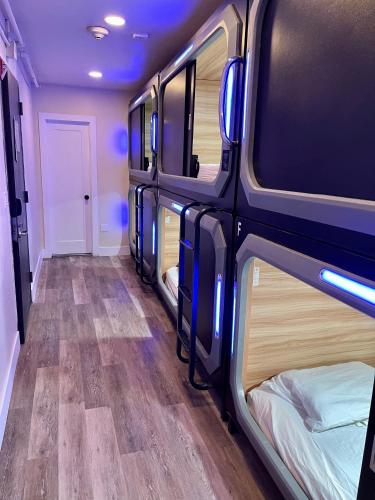
Selecting the right sleeping arrangement smooths daily rhythms for families. When searching on Agoda, prioritize listings that clearly show bed configuration photos and room layouts so families can verify whether multiple beds or connecting rooms will suit their needs. Messaging hosts in advance to confirm crib availability, extra bedding preferences and any mobility-specific requests clarifies expectations before arrival. Consider room placement within a property—lower floors or elevator access reduce heavy lifting when arriving with strollers and luggage, while corner units can offer quieter nights for napping children.
For evening routines, set up a compact sleep zone that mimics home: use blackout aids or a portable white-noise device to block unfamiliar hotel noise, and create a small, organized area for bedtime items—favorite pajamas, a nightlight and a consistent bedtime book. If space is tight, designate temporary storage solutions for daytime gear—folded stroller near the door, separate bin for shoes—so evenings feel less cluttered. Clear communication through Agoda’s messaging about required sleeping arrangements and accessibility needs reduces surprises and helps caregivers plan routines that preserve sleep and maintain energy for family days.
Saving Money and Finding Family Discounts for Popular Attractions in New York NY
Cost-saving strategies multiply when families combine planning with flexible timing. Many attractions offer family pricing, kids-go-free days, or suggested-donation windows—researching official sites ahead of arrival reveals opportunities to stack savings. City passes and combo tickets can reduce per-visit costs for families planning multiple paid attractions, but compare single-ticket costs during discount hours before committing. Timing visits during weekday mornings or seasonal shoulder times often finds shorter lines and reduced rates for special programs or workshops.
Look for free cultural events and community-run family days that surface regularly across neighborhoods: libraries, community centers and smaller museums often run low-cost or free family programming. Using markets and casual counters for some meals rather than sit-down restaurants reduces daily food spending while still delivering variety. Finally, sign up for attraction newsletters or follow family-focused event listings for last-minute deals and family-pack offers; small planning investments can yield meaningful savings without sacrificing the quality of experiences.
Handling Nap Schedules and Downtime Without Missing the Sights in New York NY
Integrating naps into sightseeing preserves moods and prevents late-afternoon meltdowns. Build itineraries that cluster high-energy activities in the morning, then plan a low-key break around midday—return to accommodation for a quiet hour, or choose a calm museum or shaded park corner for a stroller nap. Portable nap aids—lightweight blankets, a familiar small pillow, or a white-noise app—help children sleep in unfamiliar settings, while brief, dimming rituals (a short story or low-key music) signal rest time even when away from base.
For families that prefer to stay out, identify quiet indoor venues near major sights so naps can happen in calmer spaces: small libraries, family lounges in cultural institutions or low-traffic cafés that welcome lingering families. Break larger sightseeing blocks into two shorter halves with downtime between them; this structure keeps the momentum of the day but respects children’s biological rhythms. When possible, schedule favorite low-effort activities—an easy ferry ride or a second-park visit—for the post-nap window so children wake refreshed and ready to re-engage.
Booking Smarter on Agoda for Family Stays in New York NY
Agoda’s platform offers tools that streamline family bookings when used strategically. Use search filters to narrow results by room type and accessibility features, and examine multiple photos to confirm bed arrangements and sleeping layouts. Read family-focused reviews to spot patterns—comments about noise levels, neighborhood convenience and proximity to transit reveal real-world usability. When in doubt, message the property via Agoda to confirm specific needs such as crib requests, connecting rooms or early check-in possibilities that preserve nap schedules.
Timing matters: book early for peak travel windows like school holidays and seasonal festivals to secure suitable layouts, and look for flexible cancellation policies when plans might shift. Consider booking a slightly larger space than absolutely necessary to allow room for daytime play and an organized sleep corner; the small price difference often pays off in reduced stress daily. Keep confirmation messages and special requests within Agoda’s messaging system to maintain a clear, documented trail for any follow-up and to ensure host awareness of family-specific needs.
Local Markets and Food Experiences Families Can Savor Together in New York NY
Local markets and food clusters offer low-pressure dining for families who like variety and quick turnaround. Markets present multiple stalls with small, shareable portions—ideal for picky eaters and groups with varied tastes. Choosing a market with communal seating keeps everyone nearby while allowing each family member autonomy over their selection. Many markets also have family-oriented vendor options—simple pasta bowls, freshly made sandwiches and easy vegetable sides—that suit children’s palates and provide a quick refueling point between attractions.
Safe sampling strategies help families manage allergies and unfamiliar ingredients: start with small tastes, ask vendors about ingredients when needed and favor stalls with transparent labeling or clear ingredient lists. Bringing a few favorite snacks and a small refillable water bottle keeps energy stable and reduces impulse purchasing. For a memorable experience, combine a market stop with a nearby green space for a relaxed picnic—a convenient way to enjoy local flavors while giving kids room to run and caretakers a chance to rest.
Traveling with Infants and Toddlers Practical Tips for Smooth Days in New York NY
Short, predictable routines make city days with very young children more pleasant. Opt for short transit segments and choose surface-level travel—buses and ferries—when possible to avoid repeated stroller folding and tight platform navigation. Keep a compact, well-organized diaper bag with essentials (extra clothes, diapers, wipes, small changing pad and a familiar comfort item) and plan for frequent short breaks to feed and change in comfortable spaces. Lightweight travel gear—a compact stroller plus a soft carrier—offers flexibility for varying terrain and crowded situations.
Feeding and sleep rhythms benefit from pre-planned quiet stops: libraries, family lounges or calm café corners function well for quick bottle or breastfeeding breaks and unscheduled rests. Pack small distractions that are easy to swap (a new sticker sheet or a small soft book) to help carry toddlers through longer waits. Finally, maintain simple familiar rituals—consistent nap cues and predictable snack times—to anchor the day; these small routines stabilize expectations and make transitions between sights less fraught for both caregivers and the youngest travelers.
Emergency Resources and Family Safety Contacts in New York NY
Having a short, accessible emergency plan reduces anxiety on the road. Save local emergency numbers and the nearest hospital pediatric department and urgent care clinic for each neighborhood planned during the stay. Include contact details for 24-hour pharmacies and the nearest embassy or consulate for international travelers. Store digital and physical copies of crucial items—insurance cards, a brief medical summary for each child and emergency contact names—so caregivers can access them quickly if needed.
A basic family safety checklist—establishing daily meeting points, teaching children how to approach uniformed staff if separated, and carrying identification wristbands for younger kids—adds practical protection. Review local emergency protocols briefly with older children, and ensure at least one adult in the group knows how to contact local emergency services and describe symptoms or injuries clearly. Preparedness means faster response and more confident caregiving when unexpected situations arise.


 See all





 See all


 See all





 See all


 See all


 See all


 See all


 See all


 See all


 See all


